Liposuction Problems in Miami, FL
If any of these sound familiar, you are not alone. Explore each problem and get matched with a Miami provider who treats it. Problems with facial liposuction rarely start with the surface itself — prep and materials are usually behind them, and the fixes below are the ones that hold.
Living in Miami comes with its own set of common questions, and the issues below are among the ones local patients ask about most. Some have been building quietly for years; others appear suddenly and need attention right away. Either way, every one of them has a proven, lasting solution when it is addressed by an experienced professional. Browse the issues below to learn what causes them, how to spot the warning signs early, and what a qualified Liposuction provider in Miami can do to resolve them for good.
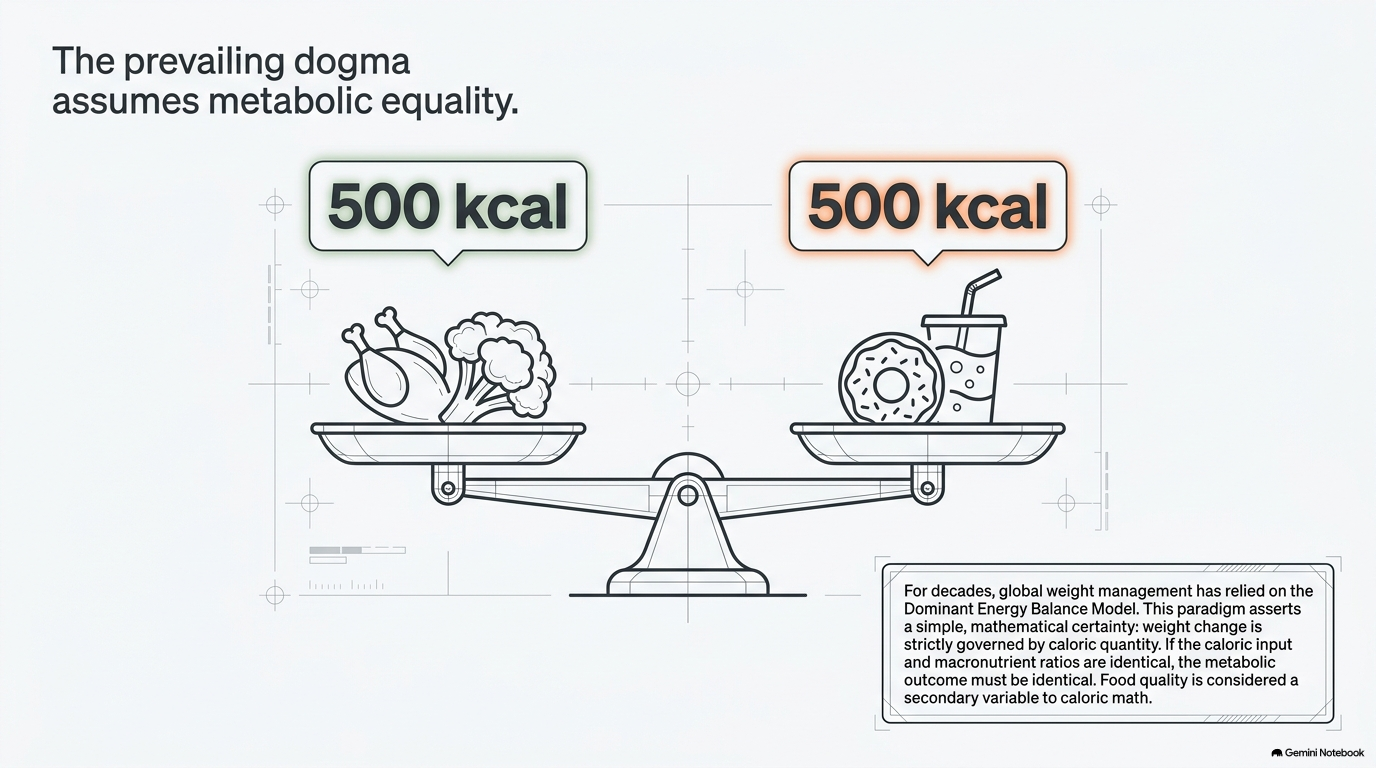
Treatment That Falls Short of Expectations
Many Miami patients pursue liposuction expecting dramatic, even results, but the outcome depends heavily on th
Choosing an Unqualified or Under-qualified Provider
Liposuction is a real surgical procedure. In Miami, choosing a provider based on price or convenience rather t
Excess or Loose Skin After Treatment
After liposuction in Miami, some patients are left with loose or sagging skin, especially if a large volume of
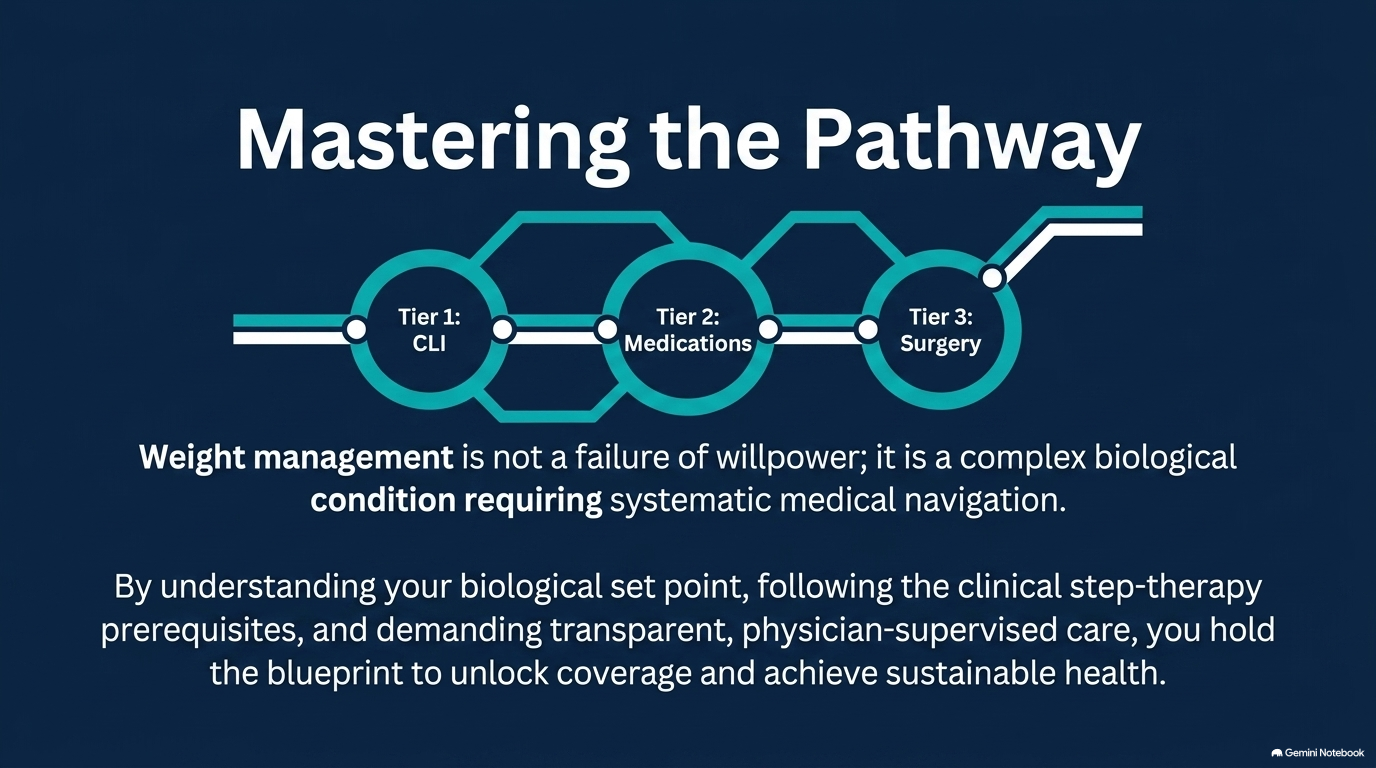
Recovery Complications and Downtime
Recovery from liposuction in Miami varies by person and by the extent of the procedure. Swelling, bruising, an
Unexpected Costs and Hidden Fees
The quoted price for liposuction in Miami sometimes does not include anesthesia, facility fees, compression ga
The 50 problems this matching service helps with
Each entry states the problem the way patients describe it, then what this independent matching service does about it in Miami. Nothing here is medical advice, a diagnosis or a prediction of your result — it is what to ask, how to compare, and where on this site the detail lives. Links marked with a tool name open a free calculator on the tools page. Matching is free and obligation-free.
1. Provider selection and safety (problems 1–11)
- “I can't tell a real plastic surgeon from a med spa injector.” Every match is a board-certified plastic surgeon with an active Florida licence and hospital privileges, so credentials are in front of you before you commit to anything. Choosing an unqualified provider · credentials verifier · how to verify credentials and facility accreditation.
- “The quote kept growing after I booked.” Matched clinics give itemised quotes that show the facility fee, anaesthesia, garments and prescriptions separately, so you can compare like with like instead of comparing two totals. Hidden fees and pricing · what each fee covers · quote comparison tool.
- “Prices for the same procedure swing from $15,000 to $35,000 and I don't know why.” Quotes for the same procedure vary widely between surgeons and clinics in the Miami area, so it is genuinely hard to tell whether a number is reasonable. Cost in Miami, the cost estimator and cost-per-area benchmark and our cost breakdown article let you see what the figure actually covers before you sit down with anyone.
- “I would have to ring a dozen offices to get even two answers.” One form replaces the phone marathon and matched recommendations come back within one business day. How matching works · start the form.
- “I have no way of knowing whether the operating room is properly accredited.” Ask each match whether the procedure is performed in an accredited operating room (QUAD A, AAAHC or AAAASF) and who provides the anaesthesia; matching prioritises accredited facilities and the verifier gives you the exact questions. Credentials verifier · accreditation explained.
- “Everyone with a recommendation seems to be selling something.” This is an independent matching service: it does not sell surgical services and does not employ its own surgeons, so a match is an introduction rather than a pitch. About the matching service.
- “I don't want to be hounded by sales calls or spam.” Matching is obligation-free and your details go only to the clinics you agree to be matched with. About · How matching works.
- “The surgeon who suits me is never the one closest to home.” Ask for matches near your own neighbourhood: Brickell, Coral Gables, Wynwood, Kendall, Doral, Aventura, Coconut Grove, Miami Beach, or start from all areas we serve.
- “I worry about choosing someone who rarely performs this operation.” Compare how many of these procedures each surgeon performs a year, what their revision rate is and which techniques they use day to day. Choosing an unqualified provider · 50-question checklist.
- “Every before-and-after gallery looks the same to me.” Ask for a portfolio of patients of similar age and BMI, whether the images are unretouched, and whether the patients consented to publication. When results fall short · 50-question checklist.
- “If I need a touch-up later, I have no idea what that costs.” Get the revision policy and any related costs in writing before the first procedure, and ask what counts as a revision rather than a new procedure. When results fall short · 50-question checklist · consultation checklist.
2. After GLP-1 or major weight loss (problems 12–16)
- “After the weight came off, these pockets under my chin, on my arms and belly just stayed.” Tell the matching form where the residual fat sits; residual deposits after medication-driven weight loss are routine for the surgeons in the network, who typically plan the procedure around a stable weight. Contouring after GLP-1 weight loss · Liposuction in Miami.
- “Losing the weight left me with loose, sagging skin rather than the shape I wanted.” Ask each match whether fat removal would be paired with subdermal energy tightening rather than done on its own, and compare that answer across matches. Excess or loose skin after treatment · The biology and physics of skin tightening.
- “I can't tell whether I need liposuction or a tummy tuck.” Compare the options side by side with a surgeon rather than deciding from marketing: how much skin is involved, whether a circumferential lift is relevant, and what each recovery looks like. Liposuction vs tummy tuck · Liposuction, tummy tuck and body contouring compared.
- “My face and body look deflated rather than sculpted.” Ask whether autologous fat grafting (sometimes called nanofat) is offered for restoring volume with your own tissue, and what the surgeon's published resorption numbers look like. Fat transfer in Miami · Fat survival and cell-assisted transfer.
- “Why can't diet or the medication shift this one stubborn area?” The reference material explains why residual fat deposits do not respond the way the rest of the body does, and what surgical suction does and does not change. Contouring after GLP-1 weight loss · Liposuction vs non-surgical fat reduction.
3. Technology, energy devices and thermal safety (problems 17–23)
- “Every clinic name-drops a different machine and I cannot tell what the difference is.” Compare power-assisted, ultrasound (VASER), laser and plain tumescent techniques on the same page before you book a consultation. Tumescent vs ultrasound-assisted · VASER vs laser.
- “What does subdermal tightening actually do after the fat is out?” Ask whether the surgeon uses a radiofrequency platform such as BodyTite, a helium-plasma device such as Renuvion J-Plasma, and how they decide between heating tissue and removing skin. How heat tightens skin after fat removal · Excess or loose skin after treatment.
- “I am frightened of a burn or a skin injury from the energy device.” Ask whether surface temperature is tracked continuously during the procedure and what the surgeon's own safety protocol is, rather than accepting a device claim at face value. Thermal safety and the surface temperature ceiling · Pre-op checklist.
- “A non-surgical fat-freezing treatment left me with hardened tissue.” Paradoxical adipose hyperplasia is a known response to cryolipolysis; ask specifically how the surgeon has treated it before and what the surgical options are. CoolSculpting vs lipo · When results fall short.
- “Some clinics talk about AI planning and I can't tell if it means anything.” Ask what the three-dimensional planning actually changes in your case, who reads the imaging and how it is stored. AI, robotics and data in body contouring.
- “Robotic assistance sounds impressive but I don't know whether it helps me.” Ask what the robotic cannula assistance changes about uniformity and trauma in practice, and what the surgeon does differently when it is not available. AI, robotics and data · How much fat can be removed in one session.
- “How would I know the energy device was monitored during my procedure?” Ask whether the platform uses fibre-optic temperature sensing and what is recorded during the case, then compare the answers you get from each match. Intraoperative monitoring · Risk and volume limits.
4. Surgical indications and anatomical sculpting (problems 24–32)
- “I want an athletic, defined shape, not just less fat.” Ask for surgeons trained in high-definition liposuction and abdominal etching, and compare how they describe working close to the skin. High-definition liposuction and abdominal etching · Body contouring in Miami.
- “I don't understand which fat liposuction can and cannot remove.” The reference material covers the difference between superficial subcutaneous fat and deep visceral fat around the organs, so the expectation is set before the consultation. How much fat can be removed in one session · Liposuction in Miami.
- “I am a man with chest fullness and I don't know who to see about it.” Ask for matches who routinely treat male chest fullness and who explain how they combine glandular and fatty tissue, including VASER-assisted approaches. Body contouring in Miami · VASER vs laser.
- “I want a sharper jawline without a full face procedure.” Ask about targeted submental treatment and about laser lipolysis as an option, and compare what each match offers for the area under the chin. Body contouring in Miami · Definition and etching.
- “The backs of my hands look gaunt.” Ask whether autologous fat transfer to the hands is offered, and how the surgeon assesses volume versus skin quality first. Fat transfer in Miami.
- “I have acne or burn scarring that I would like softened.” Ask about subcision combined with SVF or nanofat grafting, and about laser lipofilling, and compare how each match sequences the treatment. Fat transfer in Miami · Fat survival and cell-assisted transfer.
- “I have dark circles and hollowing under my eyes.” Ask about multi-layer fat grafting for the periorbital area, including who performs it and what the plan is if volume is lost. Fat transfer in Miami · Fat survival.
- “After breast surgery I have a defect on my chest wall.” Ask for matches who use cell-assisted fat transfer in reconstruction, and how they work alongside the treating oncology team. Fat transfer in Miami · Cell-assisted lipotransfer.
- “I would rather restore breast volume with my own tissue than large implants.” Compare autologous fat transfer with tissue-preserving implant techniques, and ask each match how they stage the volume over more than one session if needed. Fat transfer in Miami · Fat survival and retention.
5. Fat grafting, cell biology and long-term survival (problems 33–37)
- “I was told a fat transfer could lose most of its volume.” The reference material reports retention across a wide published span, so ask each match what they do at harvest, processing and placement to protect the graft, and how they plan a second stage. Why transplanted fat survives, or does not.
- “What is the difference between SVF and expanded stem cells?” Ask whether the clinic uses fresh stromal vascular fraction or culture-expanded cells, and what the published retention figures are for each approach. SVF versus culture-expanded cells.
- “I have been told the harvest quality sets a ceiling on the result.” Ask how the fat is harvested - including whether water-assisted harvest is used - and how viability is protected before the graft is placed. Harvest quality and viability.
- “I have had breast cancer and I am worried about recurrence risk.” Ask each surgeon to discuss the long-term trial data on fat grafting after complete tumour resection and how that applies to your own history. Fat grafting and breast cancer data · Fat transfer in Miami.
- “I don't have much fat to harvest in the first place.” Ask about injectable donor-matrix options such as Alloclae for patients without enough harvestable fat, and about how the surgeon would plan around thin donor sites. Donor-matrix options · Fat transfer in Miami.
6. Recovery, complications and aftercare (problems 38–45)
- “I don't know what normal swelling and bruising after surgery looks like.” Ask each match for their written aftercare protocol, including compression garments and manual lymphatic drainage, so you know what is routine and who to call if it is not. Recovery complications and downtime · Recovery week by week.
- “I am worried about fluid building up afterwards.” Ask whether the surgeon uses selective drains or a non-drain protocol and why, and what the follow-up schedule looks like. Recovery complications and downtime · Recovery week by week · Pre-op checklist.
- “How long will the bruising really last, and can anything speed it up?” Ask about post-operative lymphatic taping and drainage techniques, and compare the answers across matches. Recovery week by week · Recovery timeline tool.
- “I can't afford to take weeks off work.” Ask for the surgeon's own expected downtime and return-to-work guidance for your type of work, and compare answers rather than relying on a general figure. Recovery timeline tool · Week-by-week milestones.
- “I have seen people left with dents and waviness.” Ask whether the surgeon uses micro-diameter cannulas and how port placement and feathering are planned to reduce surface irregularity. When results fall short · Definition and etching.
- “I don't want visible scars where the cannula went in.” Ask where the access points will be placed relative to natural skin folds and whether tension-reducing closures such as Brijit clips are used. When results fall short · Definition and etching.
- “What is being done about blood clot risk during and after surgery?” Ask each match to describe their thromboembolism protocol, including compression, early mobilisation and prophylaxis, and how they screen for your personal risk factors. Published complication rates · Recovery complications and downtime · Risk and volume limits.
- “I am nervous about the pain afterwards.” Ask what the multimodal pain plan is, what is prescribed and for how long, and who to contact if the plan is not enough. Recovery complications and downtime · Recovery week by week.
7. Patient education and decision-making (problems 46–50)
- “I want to think this through before I speak to anyone.” Two free self-assessment tools are live on the site: the Body Contour Options Quiz and the Liposuction Knowledge Quiz, plus the 50-question consultation checklist.
- “If I go through with it, will the change last?” The reference material covers how stable weight supports the sculpted result over the long term and why large future weight swings are the main variable. Liposuction in Miami · Liposuction vs non-surgical fat reduction.
- “Can I pay for this over time?” Ask each match about approved payment plans and medical financing, and compare total cost after financing rather than the headline price. Cost in Miami · Cost estimator · Frequently asked questions.
- “So much of what I read online looks machine-generated and I don't trust it.” The pages here are built from surgeon-reviewed clinical material and published guidance rather than generic filler, so you can check the reasoning behind each claim. About the matching service · Published complication rates · Frequently asked questions.
- “I need a proper list of questions so I don't freeze in the consultation.” Take the 50-question checklist with you to cover safety, credentials and recovery, and use the pre-op checklist and consultation checklist for the practical detail.
Not sure where you fit? Send the free matching form and matched recommendations come back within one business day, or compare options on the tools page. This service is an independent matching platform, not a provider.